

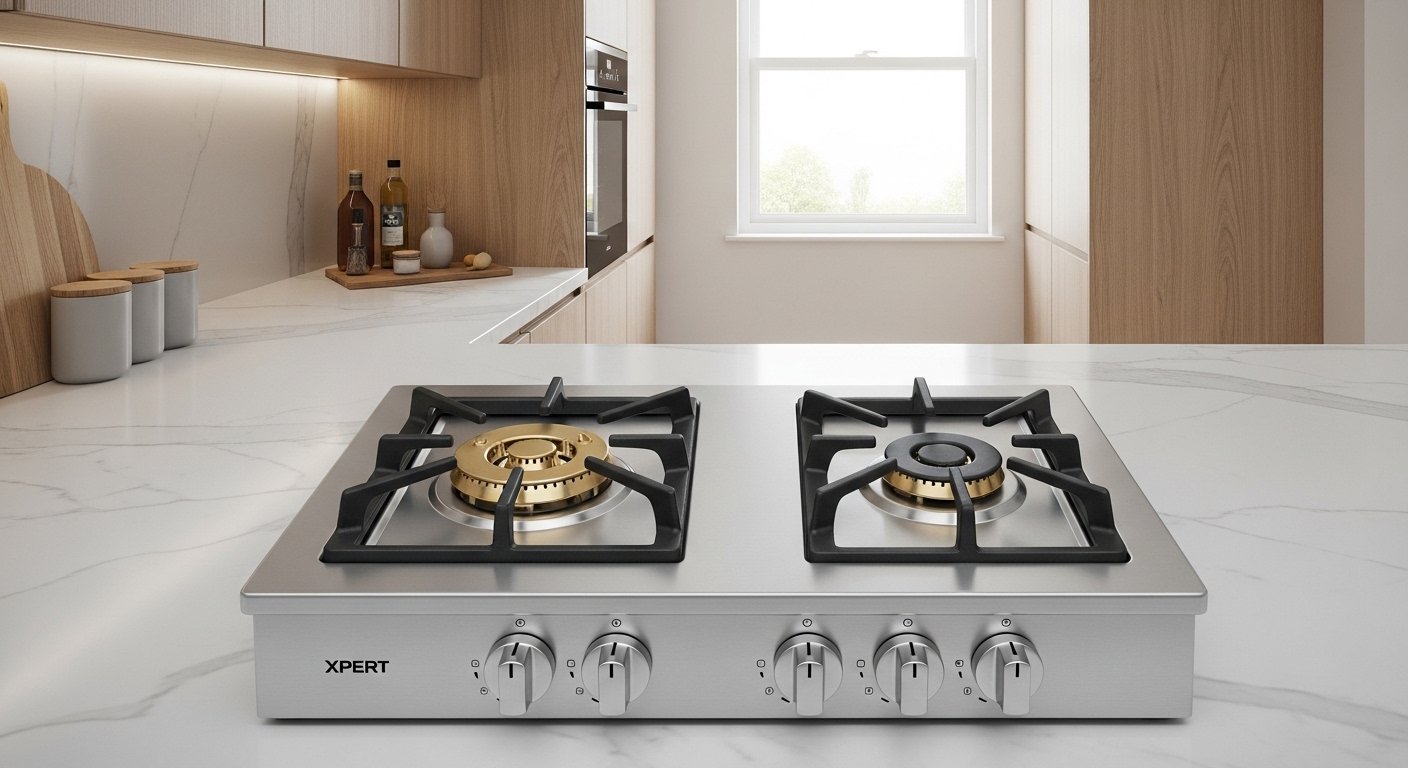
Steel Hob Lifespan
A steel hob is one of the most durable cooking appliances used in modern kitchens. Known for its strong construction, high heat tolerance, and long-term reliability, it remains a preferred choice for households that cook frequently. However, the lifespan of a steel hob depends not only on the material itself but also on how the appliance is used and maintained over time.
Understanding steel hob lifespan requires examining multiple factors such as material quality, daily usage patterns, maintenance routines, and environmental exposure. While stainless steel surfaces are designed to resist corrosion and withstand intense heat, neglecting proper care can shorten the appliance’s life significantly.
This guide explores how long a steel hob typically lasts, what influences its durability, and how homeowners can maintain a long-lasting steel hob through proper cleaning, heat management, and preventive maintenance. When treated correctly, a steel cooktop can remain reliable for many years while maintaining both performance and appearance.
Average Lifespan of a Steel Hob
The average steel hob lifespan generally ranges between 10 to 15 years in most households. In kitchens where the appliance is used moderately and maintained properly, it can last even longer. Stainless steel surfaces are engineered to handle continuous exposure to high temperatures, which is why they are commonly used in both residential and commercial kitchens.
However, the actual longevity depends on several practical factors. Cooking frequency plays a significant role. A hob used multiple times daily will experience more wear than one used occasionally. Similarly, households that regularly cook heavy meals using large cookware expose the burners and supports to higher stress levels.
Another important element is build quality. High-grade stainless steel with thicker construction typically lasts longer than thinner materials. Quality burner assemblies, durable knobs, and corrosion-resistant surfaces contribute to overall hob durability.
In many cases, the steel body of the hob itself outlasts internal components such as burners, ignition systems, or gas valves. These parts may require occasional replacement, but the main structure of the hob often remains functional for well over a decade.
Do Steel Hobs Rust Over Time?
One common concern is whether steel hobs rust. Stainless steel is designed to resist corrosion, but it is not completely immune under certain conditions. Prolonged exposure to moisture, food acids, and grease can weaken the protective chromium layer that prevents rust formation.
In kitchens where spills are left uncleaned for long periods, moisture may accumulate around burner edges and joints. This can eventually lead to minor discoloration or corrosion spots. However, these issues are usually preventable with regular maintenance and proper drying after cleaning.
High-quality steel hobs are built with corrosion-resistant alloys that significantly reduce rust risk. When combined with proper cleaning and rust prevention practices, a stainless steel cooktop can maintain its appearance and structural integrity for many years.
Factors Affecting Durability
Several factors influence how long a steel hob lasts. Understanding these factors allows homeowners to extend the life of their appliance through informed usage and maintenance habits.
Material Quality and Construction
The grade of stainless steel used in the hob plays a major role in durability. Higher-quality steel contains more chromium and nickel, which enhance corrosion resistance and structural strength. Thicker steel surfaces are also less prone to dents or deformation from heavy cookware.
Burner design also contributes to longevity. Durable burners with high heat tolerance maintain stable flame distribution over time and resist damage from repeated heating cycles.
Cooking Frequency
A hob that operates several times a day naturally experiences more wear. Continuous exposure to high heat, food spills, and cookware friction can gradually affect components. While steel itself handles heat well, other parts such as ignition systems or burner caps may degrade faster under heavy usage.
Balanced cooking practices, such as using appropriate flame levels and avoiding unnecessary overheating, help preserve the appliance.
Environmental Conditions
Kitchen humidity and ventilation can influence hob lifespan. Poor ventilation allows grease vapors and moisture to settle on surfaces, increasing the risk of corrosion. Proper airflow helps keep surfaces dry and reduces buildup of oily residue.
Cleaning and Its Role in Hob Longevity
Cleaning is one of the most important aspects of hob maintenance. A consistent cleaning routine prevents grease accumulation, protects the steel surface, and ensures burners function correctly.
When food spills or oil splashes remain on the hob for extended periods, they harden and become difficult to remove. Over time, these residues can affect burner efficiency and create uneven heating.
Cleaning the hob after cooking helps maintain a hygienic kitchen environment while preserving the appliance’s appearance. Regular wiping also prevents acidic food residues from damaging the steel surface.
Burners themselves require occasional cleaning as well. Food particles and grease can clog burner ports, reducing flame efficiency. Maintaining clean burners ensures stable heat distribution and prevents excessive gas consumption.
For detailed cleaning procedures, homeowners can refer to the Hob Cleaning Guide, which explains safe techniques and recommended products for maintaining stainless steel cooktops.
Heat Management and Appliance Longevity
Proper heat management is another key factor in extending a steel hob’s lifespan. While stainless steel is highly resistant to heat, extreme temperatures combined with improper usage can cause unnecessary wear.
Using cookware that matches the burner size ensures efficient heat transfer and prevents flame overflow that may damage surrounding surfaces. Large pots placed on small burners force the hob to work harder and can cause uneven heating.
Avoiding excessively high flame settings when unnecessary also helps protect internal components. Many cooking tasks require moderate heat rather than maximum flame intensity. By adjusting heat levels appropriately, homeowners reduce stress on burner assemblies and ignition systems.
Another important aspect of heat management is allowing the hob to cool naturally after cooking. Rapid temperature changes caused by cold water exposure immediately after use can affect metal surfaces and internal components.
Responsible heat usage ensures the appliance continues operating reliably for many years.
Maintenance Tips for a Long-Lasting Steel Hob
Maintaining a durable cooktop requires consistent care rather than occasional repairs. Regular attention to small details prevents larger problems from developing.
Daily maintenance begins with wiping the hob surface after cooking. Removing grease and food particles while they are still fresh prevents buildup that may damage the steel finish.
Burner caps should be inspected periodically to ensure they are seated correctly. Misaligned burners can cause uneven flames and inefficient cooking.
Occasionally checking the ignition system helps ensure the hob lights smoothly. If ignition becomes inconsistent, cleaning the ignition electrode often resolves the issue.
Drying the hob after cleaning is also important. Leaving water droplets on stainless steel surfaces may lead to mineral spots or corrosion over time.
These simple routines significantly extend hob durability and keep the appliance functioning efficiently.
How Often Should Burners Be Cleaned?
Burner cleaning frequency depends largely on cooking habits. In households that cook daily, burners should be cleaned every one to two weeks to maintain optimal performance. In kitchens with lighter usage, monthly cleaning may be sufficient.
Regular cleaning prevents grease buildup inside burner ports. When these small openings become clogged, flame distribution becomes uneven and cooking efficiency decreases.
A clean burner produces a stable blue flame, which indicates proper gas combustion. Yellow or irregular flames often signal that burner ports need cleaning.
Maintaining clean burners not only improves cooking performance but also contributes to overall appliance longevity.
Do Steel Hobs Get Dents?
Another common concern is whether steel hobs are susceptible to dents. Stainless steel is strong, but like any metal surface, it can dent if subjected to heavy impact.
Dropping heavy cookware or striking the hob with sharp objects may leave visible marks. However, everyday cooking activities rarely cause structural damage if cookware is handled carefully.
Using stable pan supports and avoiding excessive force when placing pots on the hob helps prevent dents. In most cases, minor cosmetic dents do not affect the functionality of the appliance.
The durability of the steel surface is one reason many households prefer steel cooktops over alternative materials.
The Role of Spare Parts in Extending Hob Life
Even the most durable appliance may require occasional replacement parts during its lifetime. Burners, ignition switches, knobs, and seals are components that experience regular wear.
Access to hob spare parts allows homeowners to repair minor issues without replacing the entire appliance. Replacing worn components can restore performance and extend the hob’s service life significantly.
Routine inspection of these parts helps detect problems early. Addressing small issues before they escalate prevents more expensive repairs in the future.
For troubleshooting and repair guidance, homeowners can explore the Hob Repair Tips resource, which explains how to identify and resolve common hob issues.
Steel Hob vs Glass Hob Durability
When discussing longevity, many homeowners compare steel hobs with glass alternatives. Both types have advantages, but steel hobs are generally known for superior structural durability.
Stainless steel surfaces are less likely to crack or shatter under heavy cookware. They also tolerate high temperatures and rapid heat changes more effectively.
Glass hobs offer a sleek aesthetic but may require more careful handling to avoid scratches or breakage. Steel hobs, on the other hand, prioritize practicality and resilience.
For a deeper comparison between materials and their long-term performance, readers can review the Steel Hob vs Glass Hob Durability guide.
Signs That a Hob Needs Maintenance
Over time, certain signs indicate that a hob requires maintenance or minor repairs. These signs may include uneven flames, difficulty igniting burners, or visible corrosion around burner edges.
Ignoring these warning signals can shorten the appliance’s lifespan. Addressing issues early ensures the hob continues to operate safely and efficiently.
Routine maintenance and periodic inspection help identify problems before they affect daily cooking.
Long-Term Value of Proper Hob Care
Maintaining a steel hob is not only about extending lifespan but also about preserving cooking performance and kitchen safety. A well-maintained hob operates efficiently, consumes gas properly, and delivers consistent heat for cooking.
Investing time in regular maintenance also protects the appliance’s appearance. Stainless steel surfaces retain their polished finish when cleaned correctly and protected from corrosion.
Over the years, these small maintenance efforts translate into significant long-term value. Instead of replacing the appliance prematurely, homeowners can enjoy reliable performance from a durable cooktop.
Conclusion
A steel hob is designed to be a long-lasting kitchen appliance, often providing reliable service for ten to fifteen years or more. Its strong stainless steel construction, heat resistance, and practical design make it one of the most durable cooktop options available.
However, achieving the full potential of a steel hob lifespan requires responsible usage and regular maintenance. Cleaning the surface after cooking, managing heat levels, maintaining burner efficiency, and preventing moisture buildup all contribute to extending the appliance’s life.
By following consistent hob care tips and addressing minor issues early, homeowners can keep their cooktop functioning efficiently for many years. A well-maintained steel hob not only supports everyday cooking but also remains a dependable centerpiece of the modern kitchen.