

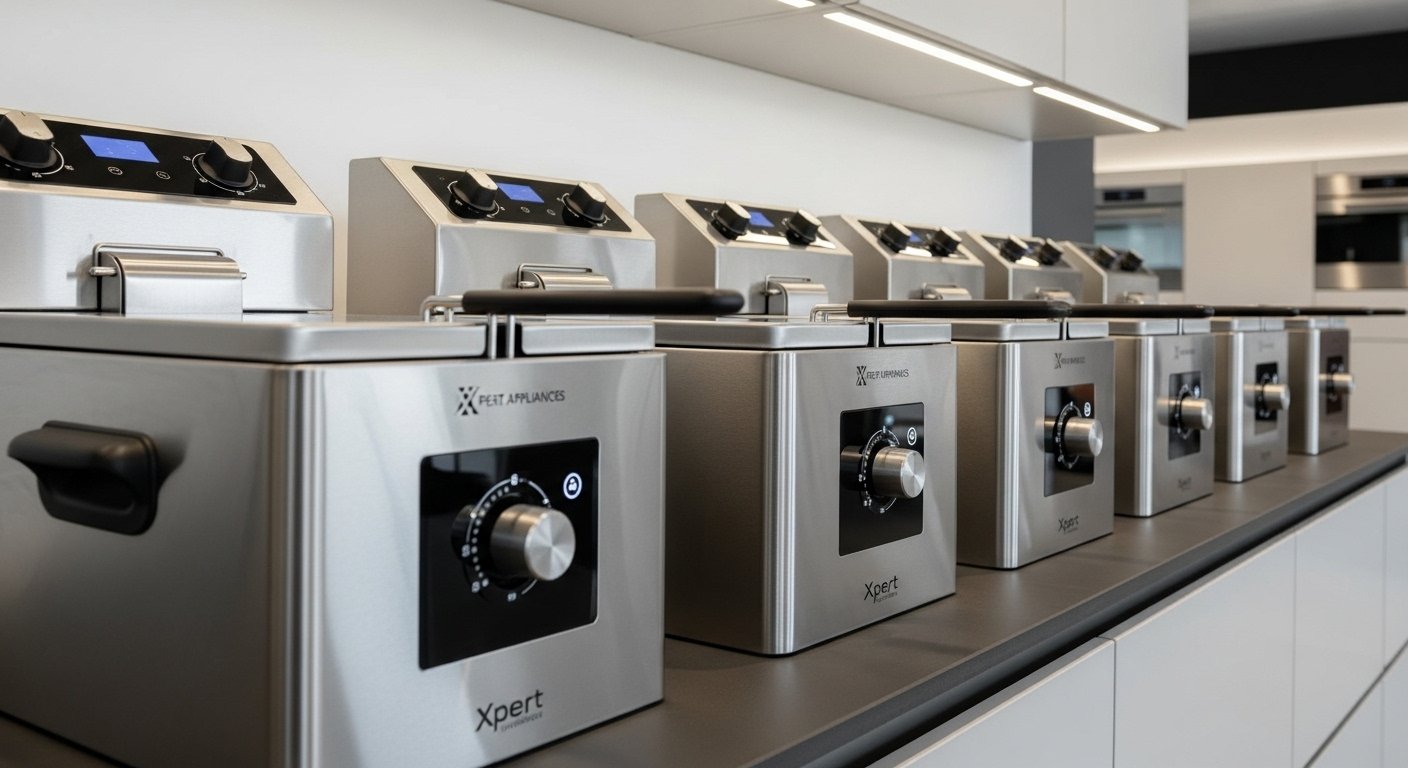
Reviews of Built-in Deep Fryers
The demand for built-in deep fryers has grown significantly as modern kitchens shift toward integrated, high-performance appliances. Homeowners are no longer satisfied with standalone fryers that occupy counter space and lack consistency. Instead, they are turning to built-in solutions that offer better control, improved safety, and a more refined cooking experience. This shift has made built-in deep fryer reviews an essential part of the buying journey, as users increasingly rely on real-world feedback to evaluate performance, durability, and long-term value.
Understanding which models are considered the best built-in deep fryer options in 2025 requires more than looking at specifications. It involves analyzing customer reviews fryer, identifying patterns in user experience, and comparing performance across different usage scenarios. Reviews highlight practical insights that specifications alone cannot provide, such as heating consistency, ease of cleaning, oil efficiency, and reliability over time.
This guide takes a detailed, experience-driven approach to evaluating top-rated built-in deep fryers, focusing on performance metrics, user satisfaction, and overall value.
Top Models Available
The category of built-in deep fryers includes a range of models designed for different kitchen needs. Some focus on compact design for smaller kitchens, while others are built for heavy-duty cooking with larger oil capacities and advanced temperature controls.
In 2025, the most top-rated indoor fryer models share several common characteristics. They offer precise temperature control, fast heating elements, and efficient oil usage. Many also include advanced filtration systems that extend oil life and improve cooking quality.
High-performing models are typically constructed with durable stainless steel interiors, ensuring long-term resistance to heat and corrosion. They are also designed with user-friendly controls, allowing both beginners and experienced cooks to operate them comfortably.
Another key trend is the integration of safety features. Modern built-in fryers often include automatic shut-off systems, overheating protection, and secure lid mechanisms. These features not only enhance safety but also contribute to positive appliance ratings from users.
From a design perspective, seamless integration into the kitchen countertop is a major factor influencing user satisfaction. A well-installed fryer blends into the kitchen layout while maintaining accessibility and ease of use.
What Makes a Built-in Deep Fryer “Top-Rated”?
User reviews consistently highlight certain performance factors that define a high-rated kitchen appliance. These factors go beyond brand reputation and focus on real cooking performance.
One of the most important elements is temperature stability. A fryer that maintains consistent heat ensures even cooking results and reduces oil absorption in food. Users often rate fryers highly when they can deliver predictable results across multiple cooking sessions.
Another critical factor is heating speed. Fast heating reduces preparation time and improves efficiency in busy kitchens. Models that reach optimal frying temperature quickly are often preferred in indoor fryer reviews.
Ease of cleaning also plays a significant role. Built-in fryers that allow easy oil drainage, removable components, and smooth surfaces receive better feedback. Maintenance convenience directly impacts long-term user satisfaction.
Durability is equally important. Users tend to favor models that maintain performance over time without frequent repairs. Strong construction and high-quality components contribute to better customer feedback fryer ratings.
Feature Comparison
Comparing features across different models reveals why some fryers consistently rank higher than others. While all built-in fryers serve the same basic purpose, differences in design and technology can significantly affect performance.
Temperature control systems vary widely. Advanced models offer precise digital controls that allow users to set exact temperatures for different types of food. This level of control improves cooking consistency and reduces the risk of overheating.
Oil capacity is another distinguishing factor. Larger capacity models are suitable for families or frequent cooking, while compact fryers are ideal for smaller households. Users often evaluate capacity based on their cooking habits and kitchen space.
Filtration systems are becoming increasingly common in high-end models. These systems remove food particles from the oil, extending its usability and maintaining cooking quality. Fryers with built-in filtration typically receive better product comparison ratings.
Energy efficiency is also a growing consideration. Efficient fryers use less electricity while maintaining performance, which contributes to lower operating costs over time.
Pros and Cons
User reviews provide valuable insights into the advantages and limitations of built-in deep fryers. Understanding these helps potential buyers make informed decisions.
One of the main advantages is convenience. Built-in fryers eliminate the need for separate appliances, saving counter space and improving kitchen organization. They also offer consistent performance, making them suitable for regular use.
Another benefit is safety. Integrated designs often include advanced safety features that reduce risks associated with hot oil. This makes them a preferred choice for families.
However, some users note that installation can be complex. Proper setup requires careful planning and may involve professional assistance. This can increase initial costs.
Maintenance is another consideration. While many models are designed for easy cleaning, regular upkeep is still necessary to maintain performance and hygiene.
Despite these challenges, the overall user experience remains positive, especially for those who prioritize efficiency and integration.
Customer Feedback
Analyzing customer reviews fryer data reveals consistent patterns in user satisfaction. Most users appreciate the improved cooking quality and convenience offered by built-in fryers.
Positive feedback often focuses on performance reliability. Users value appliances that deliver consistent results without frequent adjustments. Stable temperature control and even cooking are frequently mentioned in high-rated reviews.
Ease of use is another commonly praised aspect. Intuitive controls and straightforward operation contribute to a better overall experience, especially for users new to deep frying.
On the other hand, negative feedback typically highlights issues related to installation or maintenance. Improper setup can affect performance, while inadequate cleaning may lead to long-term problems.
Overall, user experience deep fryer feedback suggests that satisfaction levels are high when the appliance is installed correctly and maintained properly.
Are Customers Satisfied with Built-in Deep Fryers?
Customer satisfaction is generally strong across the category. Most users report improved cooking efficiency, better food quality, and greater convenience compared to standalone fryers.
Satisfaction levels are particularly high among users who cook frequently. For these individuals, the consistency and reliability of built-in fryers make them a valuable addition to the kitchen.
However, satisfaction depends heavily on choosing the right model. Factors such as capacity, features, and installation quality all influence the overall experience.
Which Models Are the Most Reliable?
Reliability is a key concern for buyers evaluating built-in deep fryer reviews. Models with strong construction, high-quality components, and consistent performance tend to rank highest in reliability.
User feedback indicates that fryers with fewer complex components often experience fewer issues. Simpler designs reduce the likelihood of mechanical failure while maintaining effective performance.
Regular maintenance also plays a role in reliability. Even the best models require proper care to remain functional over time.
How Do Features Compare Across Models?
Feature comparison reveals that higher-end models offer more advanced controls, better filtration systems, and improved energy efficiency. These features enhance performance but also increase cost.
Mid-range models often provide a balance between affordability and functionality. They include essential features without the added complexity of premium options.
Entry-level models focus on basic performance and are suitable for occasional use. While they may lack advanced features, they still deliver reliable cooking results when used correctly.
Understanding these differences helps buyers select a model that aligns with their needs and budget.
Recommendations for Buyers
Choosing the right built-in deep fryer requires careful consideration of several factors. Buyers should evaluate their cooking habits, kitchen layout, and budget before making a decision.
For frequent cooking, investing in a high-quality model with advanced features is often worthwhile. These models offer better performance and long-term reliability.
For occasional use, a simpler model may be sufficient. Prioritizing ease of use and maintenance ensures a positive experience without unnecessary complexity.
It is also important to consider installation requirements. Proper setup is essential for optimal performance and safety.
For a deeper understanding of features and selection criteria, exploring the main pillar article and related Buying Guide and Price resources provides additional insights.
Which Built-in Deep Fryer Offers the Best Value?
Value is determined by balancing cost, performance, and durability. The best value models are those that deliver consistent results, require minimal maintenance, and remain reliable over time.
Users often find that mid-range models offer the best balance between affordability and performance. These fryers provide essential features without the higher cost of premium options.
Long-term value also depends on energy efficiency and maintenance costs. Efficient models reduce operating expenses, while durable construction minimizes repair needs.
Conclusion
The landscape of built-in deep fryer reviews in 2025 reflects a growing demand for efficient, reliable, and integrated kitchen appliances. Users consistently prioritize performance, ease of use, and durability when evaluating different models.
Top-rated fryers stand out by delivering consistent cooking results, efficient energy usage, and user-friendly operation. Customer feedback highlights the importance of proper installation and regular maintenance in achieving long-term satisfaction.
By analyzing customer feedback fryer, comparing features, and understanding usage needs, buyers can confidently select a built-in deep fryer that meets their expectations. With the right choice, this appliance becomes a valuable addition to any modern kitchen, offering both convenience and high-quality cooking performance.