

Ceramic Hobs
Modern kitchens are increasingly defined by clean design, efficient performance, and advanced technology. Among the most popular cooking appliances that reflect this shift are ceramic hobs. Known for their sleek glass surface, consistent heating, and ease of maintenance, ceramic cooktops have become a preferred choice for homeowners seeking both functionality and aesthetics.
A ceramic cooktop is built using a smooth glass-ceramic surface that houses electric heating elements beneath it. This design allows heat to transfer directly to cookware while maintaining a flat, easy-to-clean surface. Unlike traditional gas hobs, ceramic hobs offer a modern, minimalistic appearance that integrates seamlessly into contemporary kitchen layouts.
Understanding why a built-in ceramic hob is considered one of the best kitchen upgrades requires a detailed look at its performance, energy efficiency, safety features, and long-term value. When chosen and used correctly, ceramic hobs provide a balance of style and practicality that suits a wide range of cooking needs.
Why Choose a Ceramic Hob?
The popularity of ceramic hobs is driven by a combination of visual appeal and functional advantages. One of the most noticeable benefits is the smooth, flat surface that enhances the overall look of the kitchen. Unlike traditional cooktops with visible burners and supports, a modern ceramic hob creates a clean and uncluttered cooking area.
Another key advantage is consistent heat distribution. The heating elements beneath the ceramic surface are designed to deliver even heat across cookware, reducing the chances of hot spots. This ensures better cooking results, particularly for tasks that require controlled temperatures.
Energy efficiency is another important factor. An energy-efficient ceramic hob converts electrical energy into heat effectively, minimizing wasted energy. Because the heat is transferred directly through the ceramic surface, cooking can be faster and more controlled compared to some traditional methods.
Ease of cleaning also makes ceramic hobs highly practical. The flat surface prevents food particles from getting trapped in crevices. Spills can be wiped away quickly, helping maintain hygiene and appearance.
In addition, ceramic hobs are suitable for a variety of cookware types. Unlike induction hobs that require specific magnetic materials, most ceramic cooktops work with standard pots and pans, making them more versatile for everyday use.
What Is a Ceramic Hob?
A ceramic hob is an electric cooktop that uses heating elements placed beneath a glass-ceramic surface. When the hob is turned on, these elements heat up and transfer warmth through the surface to the cookware placed above.
The glass-ceramic material is engineered to withstand high temperatures while remaining resistant to thermal shock. It allows heat to pass through efficiently while keeping the surrounding surface relatively cooler compared to exposed heating elements.
This design creates a balance between performance and safety. Users can cook at high temperatures while still benefiting from a controlled and enclosed heating system.
Types of Ceramic Hobs
Ceramic hobs are available in different configurations, each designed to suit specific cooking preferences and kitchen setups. Understanding these variations helps homeowners choose the most suitable option.
Electric Ceramic Hobs
The most common type is the electric ceramic hob, which uses radiant heating elements beneath the surface. These elements heat up quickly and provide consistent cooking temperatures. Electric ceramic hobs are widely used because they are reliable, easy to operate, and compatible with most cookware.
Induction Ceramic Hobs
Another variation is the induction ceramic hob, which uses electromagnetic technology to heat cookware directly. While it still features a ceramic surface, the heating process is different. Induction hobs are highly energy efficient and heat up faster than traditional electric ceramic models.
However, induction hobs require compatible cookware with magnetic properties, which may not be suitable for all users.
Glass-Ceramic Hobs
The term glass-ceramic hobs refers to the material used in the cooking surface. This material combines the strength of glass with the heat resistance of ceramic, creating a durable and efficient cooking platform.
Each type offers unique benefits, but all share the core advantages of ceramic hob design, including smooth surfaces, modern aesthetics, and efficient heat transfer.
Ceramic vs Gas Hob: Which Is Better?
A common comparison when choosing a cooktop is between ceramic and gas hobs. Each option has its strengths, but ceramic hobs offer several advantages in modern kitchen environments.
Ceramic hobs provide a cleaner appearance with no exposed flames or burner grates. This makes them easier to clean and maintain. Gas hobs, while offering immediate heat control, often require more effort to clean due to multiple removable components.
In terms of safety, ceramic hobs eliminate open flames, reducing fire risks. This makes them particularly suitable for households with children or safety concerns.
Energy efficiency can vary depending on usage, but ceramic hobs generally provide consistent heating with less heat loss to the surrounding environment.
However, gas hobs may still be preferred by users who prioritize instant heat adjustments and traditional cooking methods. The choice ultimately depends on cooking style and kitchen requirements.
Installation Tips for Ceramic Hobs
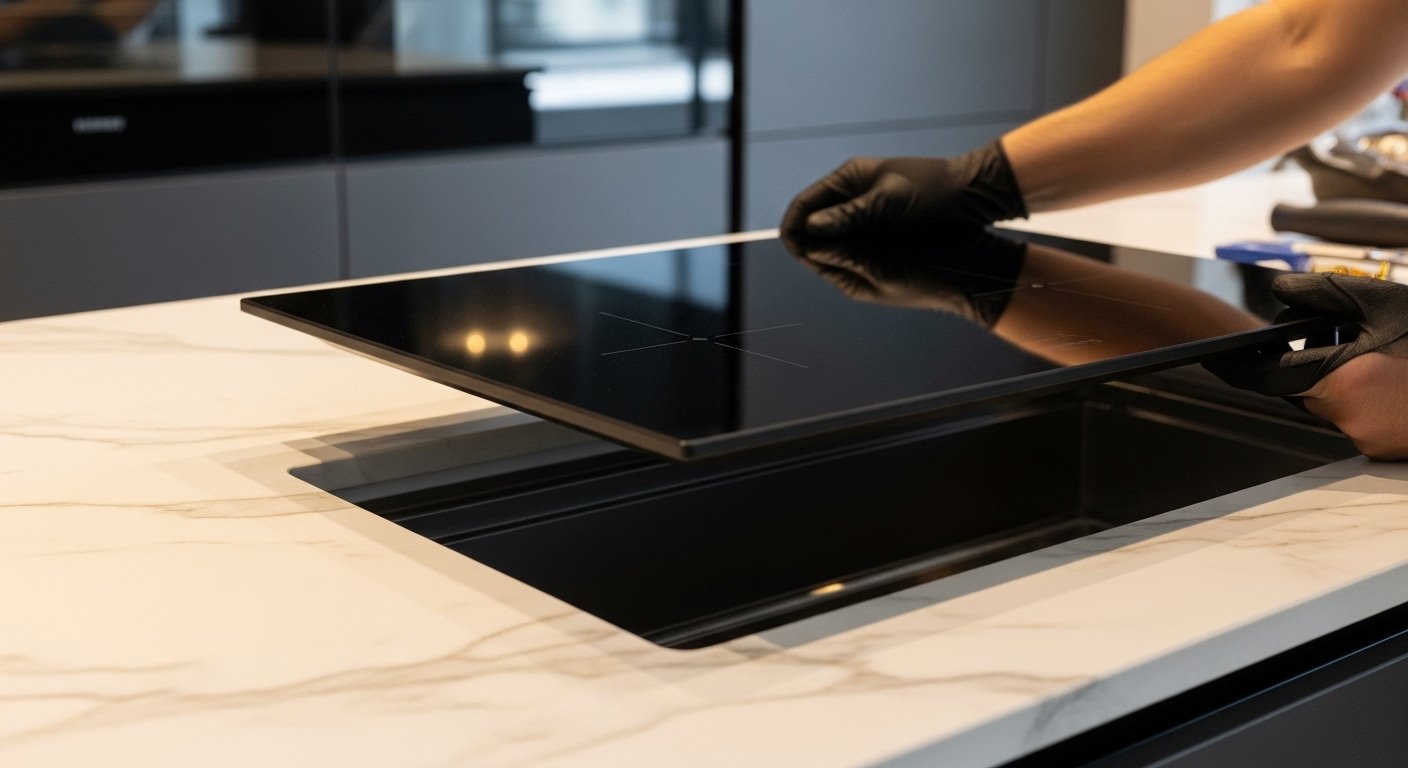
Proper installation is essential for ensuring that a kitchen ceramic hob functions safely and efficiently. Built-in ceramic hobs are designed to fit seamlessly into kitchen countertops, creating a flush and integrated appearance.
The first step in installation is selecting the correct cutout size. The countertop must be precisely measured to match the dimensions of the hob. A secure fit ensures stability and proper ventilation.
Electrical requirements are another critical factor. Ceramic hobs typically require a dedicated power connection to handle their energy consumption. Ensuring that the electrical system meets these requirements is essential for safe operation.
Ventilation should also be considered during installation. Although ceramic hobs do not produce open flames, they still generate heat that needs to dissipate properly.
For detailed installation guidance, homeowners can refer to the Ceramic Hob Installation resource, which provides step-by-step instructions and safety considerations.
Cleaning and Maintenance
One of the standout benefits of ceramic hobs is their ease of maintenance. The flat surface allows for quick cleaning, making it ideal for busy households.
Daily cleaning involves wiping the surface with a soft cloth after cooking. This prevents food residue from hardening and becoming difficult to remove. For tougher stains, specialized cleaning solutions designed for ceramic surfaces can be used.
Avoiding abrasive cleaning tools is important, as they may scratch the glass-ceramic surface. Gentle cleaning methods help preserve the hob’s appearance over time.
Regular maintenance also includes checking for minor surface damage and ensuring that the hob remains free from grease buildup.
By following proper ceramic hob maintenance practices, users can keep their appliance looking new while maintaining optimal performance.
Are Ceramic Hobs Safe?
Safety is a key consideration when choosing any kitchen appliance. Ceramic hobs are designed with multiple safety features that make them suitable for modern homes.
One important feature is residual heat indicators. These indicators show when the surface remains hot after cooking, helping prevent accidental burns. Even after the hob is turned off, the surface may retain heat for some time.
Another safety advantage is the absence of open flames. This reduces the risk of fire hazards and makes ceramic hobs safer in environments where flammable materials may be present.
Many models also include child safety locks, preventing accidental activation. This feature is particularly useful in households with young children.
The smooth surface also reduces the chances of spills catching fire, as there are no exposed burners.
Overall, ceramic hobs provide a controlled and secure cooking environment when used according to manufacturer guidelines.
How Long Do Ceramic Hobs Last?
The lifespan of a ceramic hob typically ranges between 8 to 12 years, depending on usage and maintenance. High-quality models with proper care can last even longer.
Durability depends on factors such as cleaning habits, usage intensity, and installation quality. Avoiding heavy impacts and using appropriate cookware helps maintain the surface condition.
Regular maintenance ensures that heating elements continue to function efficiently over time. By following recommended care practices, homeowners can maximize the lifespan of their best ceramic hob.
Energy Efficiency and Cost Considerations
Ceramic hobs are designed to balance performance with energy consumption. While they rely on electricity, modern models use improved heating technology to reduce energy waste.
Efficient heat transfer ensures that more energy is used for cooking rather than being lost to the environment. This contributes to lower energy consumption over time.
The ceramic hob price varies depending on features, size, and brand. While some models may have a higher initial cost compared to traditional gas hobs, their long-term efficiency and ease of maintenance often provide better value.
Choosing an energy-efficient model further enhances cost savings by reducing electricity usage.
Integrating Ceramic Hobs into Modern Kitchens
Ceramic hobs play an important role in modern kitchen design. Their sleek appearance complements contemporary interiors and pairs well with other built-in appliances.
They are particularly suitable for open-plan kitchens where visual appeal is important. The flat surface blends seamlessly with countertops, creating a streamlined look.
As part of the broader category of kitchen appliances, ceramic hobs contribute to a more organized and efficient cooking environment.
For a broader comparison of cooktop options, homeowners can explore the Cooking Hobs main pillar covering both glass and steel variants.
Conclusion
Ceramic hobs represent a modern approach to cooking that combines efficiency, safety, and design. With their smooth glass-ceramic surface, consistent heat distribution, and easy maintenance, they offer clear advantages for contemporary kitchens.
From energy-efficient ceramic hob performance to enhanced safety features, these appliances are designed to meet the needs of modern households. Whether used in compact kitchens or larger cooking spaces, ceramic hobs provide reliable and efficient cooking solutions.
By understanding their features, installation requirements, and maintenance practices, homeowners can make informed decisions and enjoy long-term value from their kitchen ceramic hob.