
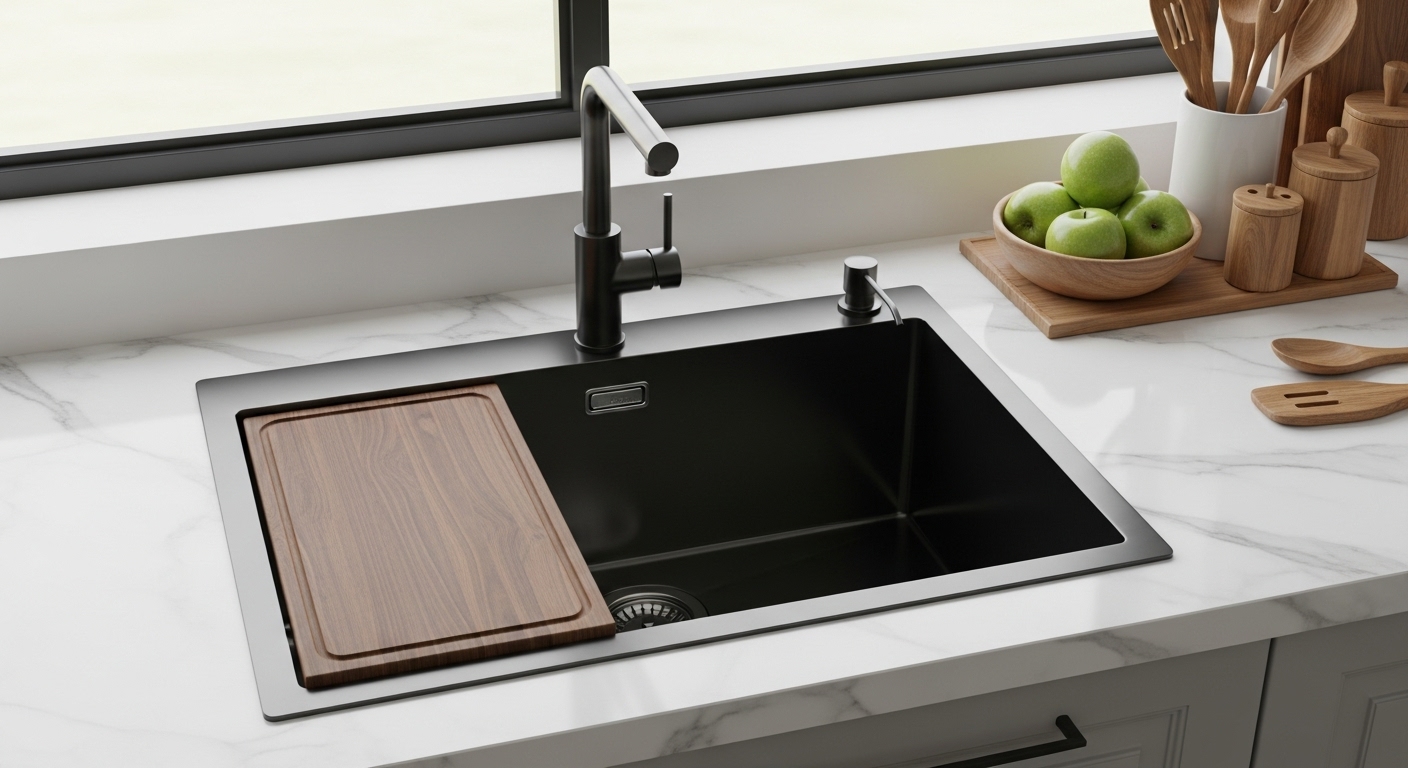
How to Select the Perfect Kitchen Sink Size for Your Home – A Complete Guide
Imagine a kitchen where everything fits perfectly, from your pots to your sink. A kitchen sink isn’t just a utility; it’s the heart of your kitchen. Whether you’re washing large pots or cleaning vegetables, your sink’s size plays a major role in how smoothly your kitchen functions. But how do you know the right size for your space?
In this guide, we’ll help you find the perfect kitchen sink size that suits your home, lifestyle, and cooking needs. Let’s dive into the essential factors that will help you choose the best sink for your kitchen.
Why Sink Size Matters
Choosing the right kitchen sink size isn’t just about aesthetics. It impacts how you use your sink every day. A sink that’s too small limits your ability to wash large pots and pans, while one that’s too large might take up unnecessary counter space. The right size strikes a balance between functionality and space-saving, creating a cleaner, more efficient kitchen.
For example, a small sink might work in a bachelor’s kitchen but could be a hassle for large families. Similarly, a larger sink is great for big families but may overwhelm a small kitchen. So, the right choice depends on your kitchen type, family size, and how often you cook.
Step 1: Measure Your Kitchen Space
Before selecting the perfect kitchen sink, measuring your kitchen space is crucial. Knowing the available space will help you determine the right sink size that fits comfortably within your kitchen layout.
- Cabinet Size:
Your kitchen sink sits inside or on top of a cabinet, so check the width of your cabinet. For example, if you have a 36-inch cabinet, your sink should ideally be around 32–33 inches wide.- Xpert Tip: A larger sink will require a more spacious cabinet, so choose wisely.
- Countertop Space:
The sink size should also consider how much countertop space you need for food prep. A larger sink might be perfect for washing large pots, but ensure it doesn’t consume all your available countertop area.
Step 2: Consider the Sink Depth
Sink depth is just as important as its length and width. Deeper sinks (8–10 inches) are ideal for washing large pots, but they can also strain your back over time. Shallower sinks (6–7 inches) are easier on your posture but may not handle as much volume.
Consider your daily habits, if you do a lot of hand washing, a deeper sink might be best. But if you mostly use a dishwasher, a medium-depth sink could suffice.
Step 3: Think About the Number of Bowls
Choosing the right number of bowls is crucial for your kitchen’s functionality.
- Single-Bowl Sink:
Best for small kitchens and single-person households. It’s ideal for those who mainly wash dishes by hand. - Double-Bowl Sink:
Double-Bowl Sink Perfect for multitasking. You can wash dishes on one side and rinse on the other, making it ideal for busy kitchens. - Triple-Bowl Sink:
Great for large families who often cook. It offers space for extra functions like chopping or draining.
Step 4: Match Sink Size with Kitchen Type
Each kitchen type has its own requirements for the perfect sink size:
| Kitchen Type | Recommended Sink Size |
| Small Apartment Kitchen | 20–24 inches (single bowl) |
| Medium Family Kitchen | 25–33 inches (single or double bowl) |
| Large Luxury Kitchen | 33–45 inches (double or triple bowl) |
Choose a sink based on your space, family size, and cooking frequency. If you have a large kitchen, you can opt for a bigger sink. But if you’re in a small apartment, a compact sink is more practical.
Step 5: Choose the Right Sink Style
The kitchen sink style also impacts its size and functionality. Consider these common types:
- Top-Mount Sink (Drop-In): Easy to install, great for budget-conscious homes.
- Undermount Sink: A sleek, modern option that gives more interior space.
- Farmhouse Sink (Apron Front): A deep, stylish option for traditional kitchens.
- Corner Sink: A space-saver for smaller kitchens.
Step 6: Material Considerations
The material of your sink affects both its functionality and aesthetic appeal. Consider these common options:
- Stainless Steel: Durable, easy to clean, and affordable. Ideal for busy kitchens.
- Granite Composite: Stylish and long-lasting but may be heavier.
- Ceramic/Porcelain: Classic, though they can be heavier and prone to chips.
Step 7: Think Long-Term
Investing in the right sink size means thinking about both your current and future needs. If you’re planning to expand your family or renovate, a larger sink might be more practical.
Conclusion: Find the Right Kitchen Sink for Your Home
Choosing the perfect kitchen sink size is all about balancing functionality, space, and style. Whether you’re in a compact apartment or a spacious family home, there’s a sink size that perfectly fits your kitchen’s layout and your cooking habits.
Need more guidance? Explore Xpert’s full range of kitchen sinks to find the best fit for your kitchen.
FAQs: Kitchen Sink Size
- What is the standard size of a kitchen sink?
Most standard kitchen sinks range from 30–33 inches in width. - Can a large sink fit in a small kitchen?
Yes, but it may reduce your available counter space. Measure carefully before buying. - How deep should a kitchen sink be?
8–10 inches is ideal for most kitchen tasks. - Is an undermount or double bowl sink better?
It depends on your needs. Single bowls are spacious, and double bowls help multitask.



Pingback: Why Stainless Steel Is a Popular Choice for Modern Kitchens In Pakistan - Xpert Kitchen Appliances
Pingback: How Much Does a Kitchen Sink Cost in Pakistan? A Detailed Pricing Breakdown - Xpert Kitchen Appliances
Pingback: Choosing the Right Sink for a Galley Kitchen: Space-Saving & Practical Solutions - Xpert Kitchen Appliances