

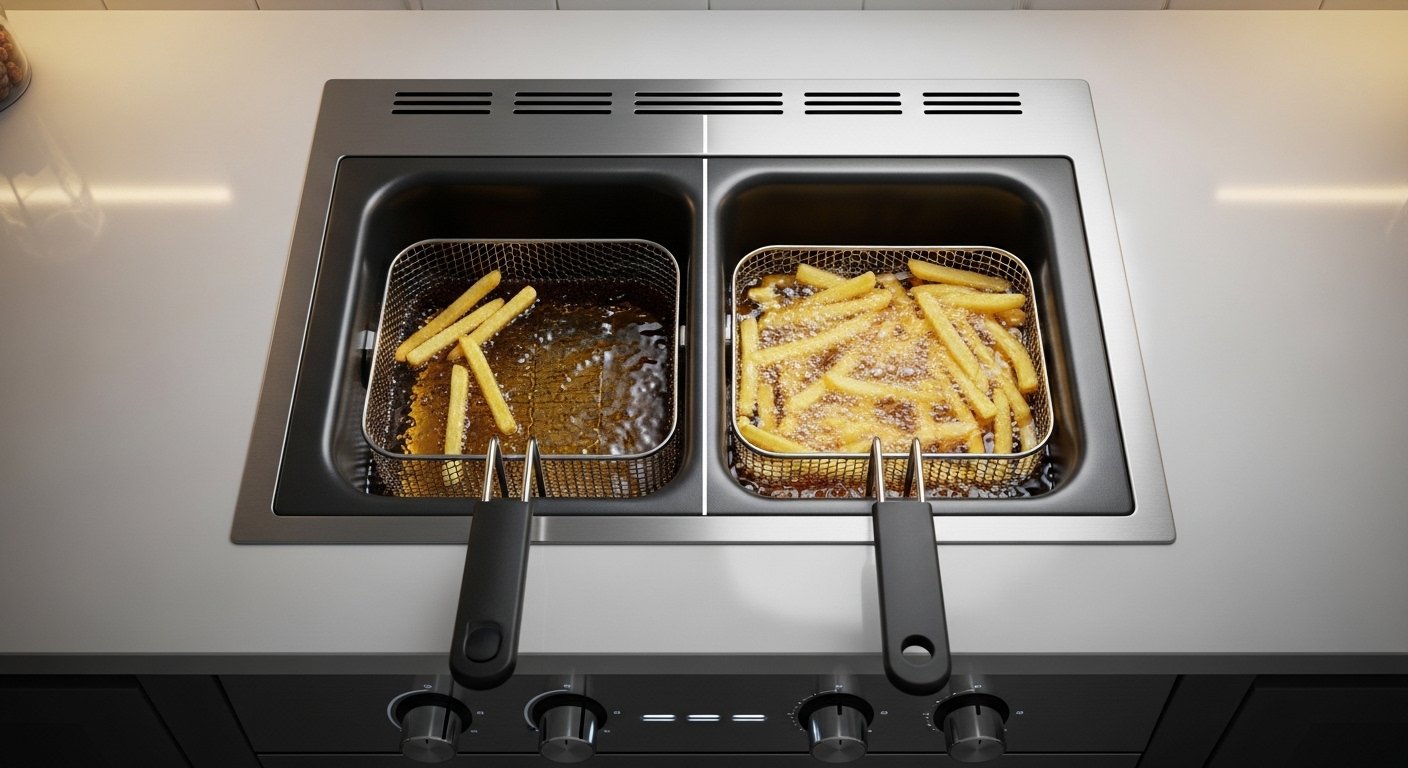
Built-in Deep Fryer Troubleshooting Guide
A built-in deep fryer is a highly efficient kitchen appliance designed for convenience, consistency, and performance. However, like any electric cooking appliance, it is not immune to operational issues. Understanding built-in deep fryer troubleshooting is essential for maintaining performance, ensuring safety, and avoiding unnecessary repair costs.
Most deep fryer problems stem from improper maintenance, oil management issues, or electrical inconsistencies. The advantage is that many of these issues can be diagnosed and resolved without professional intervention if approached correctly. A structured troubleshooting process allows you to identify root causes rather than applying temporary fixes.
This guide provides a comprehensive breakdown of common issues, their causes, and practical solutions, while also clarifying when professional repair is necessary.
Common Problems
Built-in deep fryers can experience a range of functional issues, many of which are predictable and preventable. Identifying the problem accurately is the first step toward effective resolution.
One of the most frequent issues is the fryer not heating properly. This can manifest as slow heating, inconsistent temperature, or complete failure to heat. Such problems are often linked to thermostat malfunctions, heating element failure, or power supply inconsistencies.
Another common issue involves ignition or startup failure in certain models. The appliance may fail to turn on entirely, which typically indicates electrical faults such as a blown fuse, damaged wiring, or a faulty control panel.
Oil-related issues are also prevalent. Users often encounter excessive smoking, unpleasant odors, or oil that degrades quickly. These problems are usually tied to poor oil quality, incorrect temperature settings, or contamination from food residue.
Uneven frying results, such as partially cooked food or inconsistent texture, are another indication of underlying issues. These are often caused by clogged burners, temperature instability, or improper oil levels.
Noise during operation can signal mechanical or airflow problems, while unusual smells may indicate overheating or internal component stress. In more serious cases, gas leakage (in hybrid systems) or electrical burning smells require immediate attention.
Understanding these common fryer faults allows for quicker diagnosis and targeted repair.
Step-by-Step Fixes
Resolving fryer issues requires a systematic approach. Each symptom should be analyzed individually to determine its root cause.
If the fryer is not heating, begin by checking the power supply. Ensure the appliance is properly connected and that there are no tripped circuit breakers. If power is confirmed, the next step is to inspect the thermostat settings. Incorrect calibration can prevent the fryer from reaching the desired temperature.
If the thermostat appears functional, the heating element should be examined. A worn or damaged element will fail to generate sufficient heat and may require replacement.
For issues involving excessive smoke, the oil condition must be evaluated. Old or contaminated oil breaks down at lower temperatures, leading to smoke and odor. Replacing the oil and thoroughly cleaning the fryer often resolves this issue.
Clogged filters or blocked ventilation can also contribute to smoke problems. Cleaning these components improves airflow and stabilizes performance.
If the fryer fails to turn on, checking internal fuses and wiring connections is essential. Loose connections or damaged wires can interrupt power flow. In such cases, minor repairs may restore functionality.
Uneven cooking results should be addressed by verifying oil levels and ensuring that food is not overcrowding the basket. Overloading disrupts heat distribution and reduces efficiency.
For noise-related issues, inspecting internal components for loose parts or debris is recommended. Tightening connections and cleaning internal areas often eliminates unnecessary noise.
This structured troubleshooting process ensures that fixing built-in deep fryer issues is both efficient and effective.
What Are the Most Common Errors in Built-in Deep Fryers?
Several recurring errors appear across different models of built-in deep fryers. Temperature inconsistency is one of the most common, often caused by faulty thermostats or sensor misalignment.
Another frequent issue is oil contamination, which leads to poor cooking results and increased maintenance requirements. Electrical faults, including intermittent power supply and control panel errors, are also widely reported.
Overheating is a critical issue that can result from blocked ventilation, excessive oil usage, or prolonged operation without breaks. Modern fryers often include safety mechanisms to shut down the appliance in such cases.
Understanding these patterns helps users anticipate and prevent potential failures.
Can You Repair a Built-in Deep Fryer Yourself?
Many minor issues can be resolved through DIY fryer repair, provided the user follows proper safety precautions. Tasks such as cleaning clogged components, replacing oil, or checking power connections are generally safe and straightforward.
However, repairs involving electrical components, heating elements, or internal wiring require caution. Without proper knowledge, attempting such repairs can lead to further damage or safety hazards.
Users should limit DIY efforts to surface-level troubleshooting and maintenance. For complex issues, professional assistance is recommended.
This distinction between simple fixes and advanced repairs is critical in appliance troubleshooting.
DIY vs Professional Repairs
Determining whether to attempt a repair or seek professional help depends on the complexity of the issue.
DIY repairs are suitable for routine maintenance tasks and minor operational issues. Cleaning, oil replacement, and basic inspections fall into this category. These actions not only resolve current problems but also prevent future ones.
Professional repairs are necessary when dealing with electrical faults, persistent heating issues, or repeated malfunctions. Certified technicians have the tools and expertise required to diagnose and repair internal components safely.
Attempting to fix complex problems without proper knowledge can void warranties and increase repair costs. Therefore, knowing when to escalate an issue is a key aspect of effective indoor fryer troubleshooting.
When Should You Call a Professional?
Professional intervention is required when the fryer exhibits persistent or severe issues. If the appliance fails to heat despite multiple troubleshooting attempts, the heating element or internal circuitry may be compromised.
Electrical issues such as sparks, burning smells, or repeated power failures should never be handled without expertise. These symptoms indicate serious hazards that require immediate attention.
Gas-related concerns, including suspected leaks, demand urgent professional inspection. Safety should always take priority over cost-saving measures.
Repeated errors or system shutdowns also indicate deeper mechanical or electronic faults that cannot be resolved through basic troubleshooting.
Recognizing these warning signs ensures safe and effective appliance management.
Preventing Future Issues
Preventive maintenance is the most effective way to minimize deep fryer problems. Regular cleaning prevents grease buildup, which can interfere with performance and cause overheating.
Using high-quality oil and replacing it at appropriate intervals ensures consistent cooking results and reduces strain on the appliance. Monitoring temperature settings prevents excessive wear on internal components.
Proper usage habits, such as avoiding overloading and maintaining correct oil levels, contribute significantly to long-term reliability.
Ensuring adequate ventilation around the fryer also prevents overheating and supports efficient operation.
Preventive strategies not only extend the lifespan of the appliance but also reduce the frequency of repairs.
Maintenance Tips to Avoid Problems
Consistent maintenance is the foundation of reliable fryer performance. Cleaning the fryer after each use removes food particles and prevents residue buildup. Weekly deep cleaning ensures that internal components remain free from grease and debris.
Inspecting the fryer periodically for signs of wear allows issues to be addressed early. Checking seals, connections, and filters helps maintain optimal functionality.
Following manufacturer guidelines for usage and maintenance ensures that the appliance operates within safe parameters.
For detailed cleaning procedures, refer to the dedicated guide on built-in deep fryer cleaning. Proper installation practices, covered in the installation guide, also play a role in preventing operational issues.
Combining maintenance with informed usage creates a comprehensive approach to appliance care.
The Role of Troubleshooting in Appliance Longevity
Troubleshooting is not just about fixing problems; it is a proactive approach to maintaining appliance health. Identifying and resolving minor issues early prevents them from escalating into major failures.
A well-maintained built-in deep fryer operates more efficiently, consumes less energy, and delivers consistent cooking results. Regular troubleshooting checks help ensure that all components function as intended.
This approach aligns with broader principles of kitchen appliance maintenance, where prevention is more cost-effective than repair.
Conclusion
Built-in deep fryer issues are often manageable with the right knowledge and approach. Understanding common appliance issues, applying systematic troubleshooting methods, and maintaining consistent care routines allow users to resolve most problems effectively.
While DIY solutions are suitable for minor issues, recognizing the limits of self-repair is essential for safety and long-term performance. Professional assistance should be sought for complex or hazardous situations.
By combining proper maintenance, informed troubleshooting, and safe usage practices, users can ensure that their built-in deep fryer remains reliable, efficient, and durable over time.