
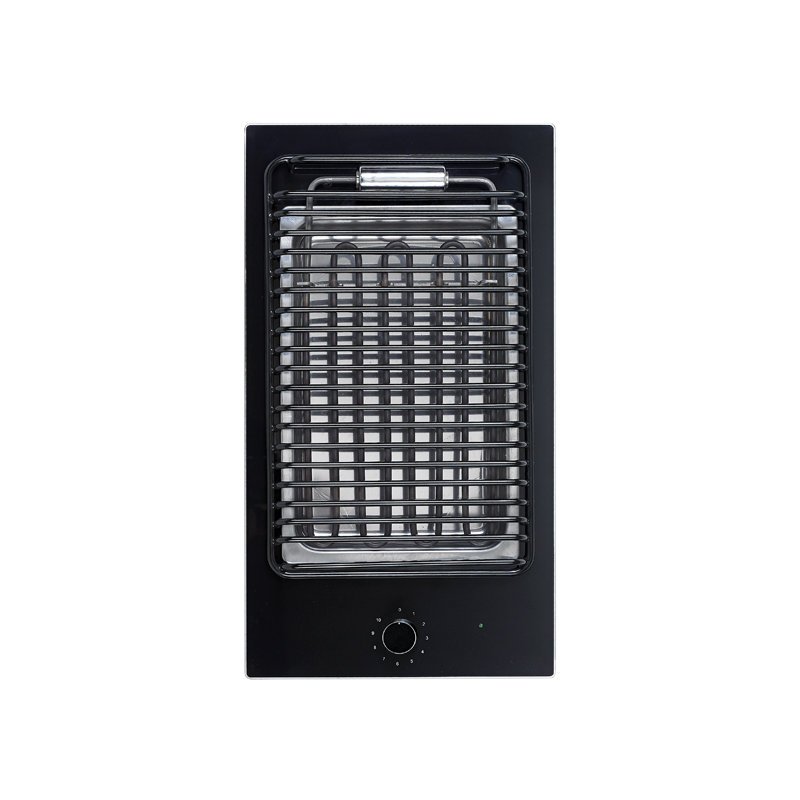
If you’re upgrading your cooktop in Pakistan—especially in Karachi—you’ll quickly run into one confusing question: glass hob vs ceramic hob… what’s actually better? Sales pages make both sound “premium,” but the right choice depends on how you cook (heavy desi cooking or light meals), how often you clean, your family setup, and what kind of support you can get locally if something goes wrong.
This article is a practical, non-technical comparison of glass hob vs ceramic hob for Pakistani homes. We’ll cover glass ceramic differences, realistic pros cons glass vs pros cons ceramic, and the things that matter in Karachi: cleaning comparison, scratch resistance, heat distribution, price comparison, longevity, and repair cost. You’ll also get a quick decision verdict by use case—so you can choose confidently, not emotionally.
And if you want to shortlist models that fit your budget and kitchen conditions, Xperts can guide you to the right option and help you compare features and after-sales support in Karachi—so the information naturally turns into a smart purchase.
Glass hob vs ceramic hob — which to choose?
At a high level, both options are designed to look modern and keep your countertop sleek. The real difference is not “which is premium,” but how the surface behaves over time—especially with Pakistani cooking: high heat, frequent frying, heavy pots, masala spills, and daily cleaning.
To keep this comparison clear, think of it as:
- Material differences & cooking performance
- Cleaning & scratch resistance
- Cost, repair, and long-term practicality
- Aesthetic and finish choices
- Verdict based on your household use case
Material differences & cooking performance
What are the glass ceramic differences?
Many people assume “glass hob” means normal glass. In reality, most modern cooktops use a type of engineered surface. That’s why the term ceramic glass cooktop comes up often. In the market, names can overlap, but the buyer’s job is to compare performance, durability, and support—rather than getting stuck on labels.
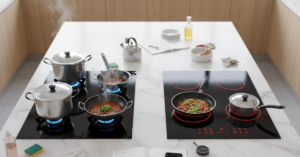
Glass ceramic differences that matter in daily cooking:
- Heat behavior: how evenly it spreads and how stable it stays
- Thermal shock resistance: how it handles sudden temperature changes
- Surface durability: how it handles heavy cookware and daily wiping
- Surface coatings: how easily it stains, scratches, or keeps shine
Heat distribution and cooking feel (what you’ll notice in Karachi)
In Pakistani cooking, you often:
- boil quickly (chai, daal)
- sauté and fry (tarka, cutlets)
- cook in heavy cookware (degchi, handi)
So heat distribution becomes important, especially for electric/induction style tops. Uneven heat can cause:
- hot spots
- slow simmer control
- inconsistent results
A good hob should hold stable performance under repeated use—not just look good on day one.
Thermal shock and daily habits (a real-life durability factor)
Thermal shock is when a hot surface experiences sudden cold contact (e.g., wiping with a wet cloth, placing something cold on a hot area). In real kitchens, this happens accidentally.
If your home has:
- kids running around
- quick cleanup habits during cooking
- frequent water splashes near the sink
Then thermal shock tolerance matters for long-term longevity.
Cleaning & scratch resistance
This is where most Karachi homeowners make the final decision, because cleaning is daily reality.
Cleaning comparison: which is easier to maintain?
Which is easier to clean? Usually, the easier surface is the one that:
- doesn’t trap stains
- doesn’t show every mark immediately
- doesn’t require “special effort” after every meal
Cleaning comparison tips (practical, not ideal-world):
- If you cook spicy curries and oily tarka often, you want a surface that resists grease baking-on.
- Daily wipe matters more than “deep clean once a week.”
- Choose finishes that hide minor smudges if your kitchen is high-traffic.
Scratch resistance: what really scratches a cooktop?
People ask: “Does ceramic resist scratches more?” The honest answer is: scratches depend more on use than on marketing.
Common scratch causes in Pakistani kitchens:
- dragging pots instead of lifting
- gritty cleaning sponges
- spilled salt/sand-like particles and wiping them across
- heavy cookware edges
Scratch resistance best practice (works for both):
- lift cookware, don’t drag
- use a soft cloth/sponge
- remove gritty particles before wiping
- avoid harsh scrub pads
For many households, cleaning habits matter more than the surface type.
Ceramic surface durability and coatings
Some surfaces handle micro-scratches better due to surface coatings (how the top is finished). Over time, coatings influence:
- how “new” the hob looks
- whether stains settle into a dull layer
- whether the top stays glossy or becomes hazy
If you’re comparing models, ask about surface treatment rather than just the label “glass” or “ceramic.”
Cost & repair
This section matters because Karachi buyers often think only about purchase price—not the total cost over 3–5 years.
Price comparison: what you’re paying for
Your price comparison should include:
- the unit cost
- installation requirements (especially for electric)
- warranty and service coverage
- availability of replacement parts
A cheaper hob can become expensive if spare parts are hard to find.
Repair cost and replacement panels (the hidden expense)
A critical question: if the top cracks or gets badly damaged, what then?
Many cooktops require replacement panels (top surface replacement). In some cases:
- the repair cost is high
- parts availability is limited
- replacement takes time
This is why checking local service support is not optional in Pakistan. Xperts can help here by recommending models with better local support and clearer parts availability—so your purchase is protected.
Cooktop repairs: what typically goes wrong?
Common issues include:
- ignition problems (gas)
- control issues (touch panel)
- surface damage from impact or thermal shock
- loose fitting or seal issues causing seepage
Aesthetic & finish choices
Aesthetics matter, but in Karachi kitchens, practicality must lead.
Enamel vs glass vs ceramic — what should you focus on?
The market sometimes compares enamel vs glass for looks and cleaning. For your decision, focus on:
- how visible fingerprints are
- how easily stains show
- whether the finish complements your countertop
- how well the surface hides micro-scratches
Some finishes look amazing in showrooms but become stressful in daily use if they show every spot.
Choosing based on kitchen style (modern, compact, family-focused)
If your kitchen is:
- compact and busy → choose the finish that hides smudges and cleans quickly
- large and design-focused → you can prioritize premium finishes more confidently
This is where many buyers feel relief: the “best” choice is the one that suits your lifestyle.
Verdict by use case (home cooks, families)
Here’s the most useful way to decide glass hob or ceramic hob without overthinking.
1) For heavy home cooks (daily desi cooking, frying, big pots)
Choose the option that offers:
- stronger practical durability
- better local service support
- good heat stability and safety features
- easy cleaning for oil-heavy cooking
If you cook heavily every day, prioritize longevity and support over showroom shine.
2) For families with kids (safety + easy cleanup)
Pick based on:
- safety features (child lock if electric/touch)
- stable installation and sealing
- easier cleaning habits
- better scratch resistance in real use (your household behavior matters most)
3) For light cooking (tea, eggs, simple meals)
If cooking is lighter, you can prioritize:
- aesthetics
- touch controls (if electric)
- compact sizing and clean look
4) For budget-focused buyers (value over “premium label”)
Your best value choice is the one with:
- solid warranty and service
- easier spare parts
- manageable repair cost
This is where Xperts can help shortlist models that fit Karachi service realities—so your buying decision doesn’t become a maintenance problem later.
Conclusion
Choosing between glass hob vs ceramic hob is not about picking what looks more modern—it’s about matching the cooktop to your Karachi kitchen reality: cooking intensity, cleaning frequency, family safety, heat stability, and the true long-term cost including repair cost and parts availability. If you use heavy cookware and cook daily desi meals, prioritize durability and support. If you cook lightly and want a sleek look, aesthetics and easy maintenance may lead your decision.
If you want help shortlisting the best options for your budget and kitchen conditions, Xperts can guide you with model comparisons, local support considerations, and practical recommendations—so your purchase is confident, safe, and long-lasting.
FAQs (People Also Ask)
- Is glass hob better than ceramic?
For many households, “better” depends on cooking intensity and cleaning habits. A glass-style surface can be very easy to wipe, while ceramic-style surfaces can offer strong heat performance and durability depending on model quality. In Karachi kitchens, after-sales support and repair cost often matter as much as surface type.
- Which is more durable: glass or ceramic?
Durability depends on surface quality, coatings, and how you use it. Heavy pots, dragging cookware, and thermal shock are common causes of damage. If you want long-term durability, choose a model with strong surface durability ratings and good local support for replacement panels.
- Which is easier to clean?
Cleaning ease depends on finish and daily habits. Most modern smooth tops are easy to wipe, but oily Pakistani cooking can bake residues quickly. A surface that resists grease buildup and doesn’t show every smudge will feel easier in real life. Follow proper maintenance steps to avoid haze and micro-scratches.
- Does ceramic resist scratches more?
Scratch resistance depends more on usage and cleaning tools than on the label alone. Avoid dragging pots and using harsh scrub pads. Clean grit before wiping. If your household is rough on surfaces, prioritize models known for stronger coatings and long-term wear resistance.
- Which is more energy efficient?
Energy efficiency is influenced by the technology (gas vs electric/induction) and how efficiently heat transfers to cookware. Induction-style electric systems are often efficient in heat transfer, but require proper electrical compatibility. In Pakistan, your utility reliability and wiring quality should also influence your choice.