

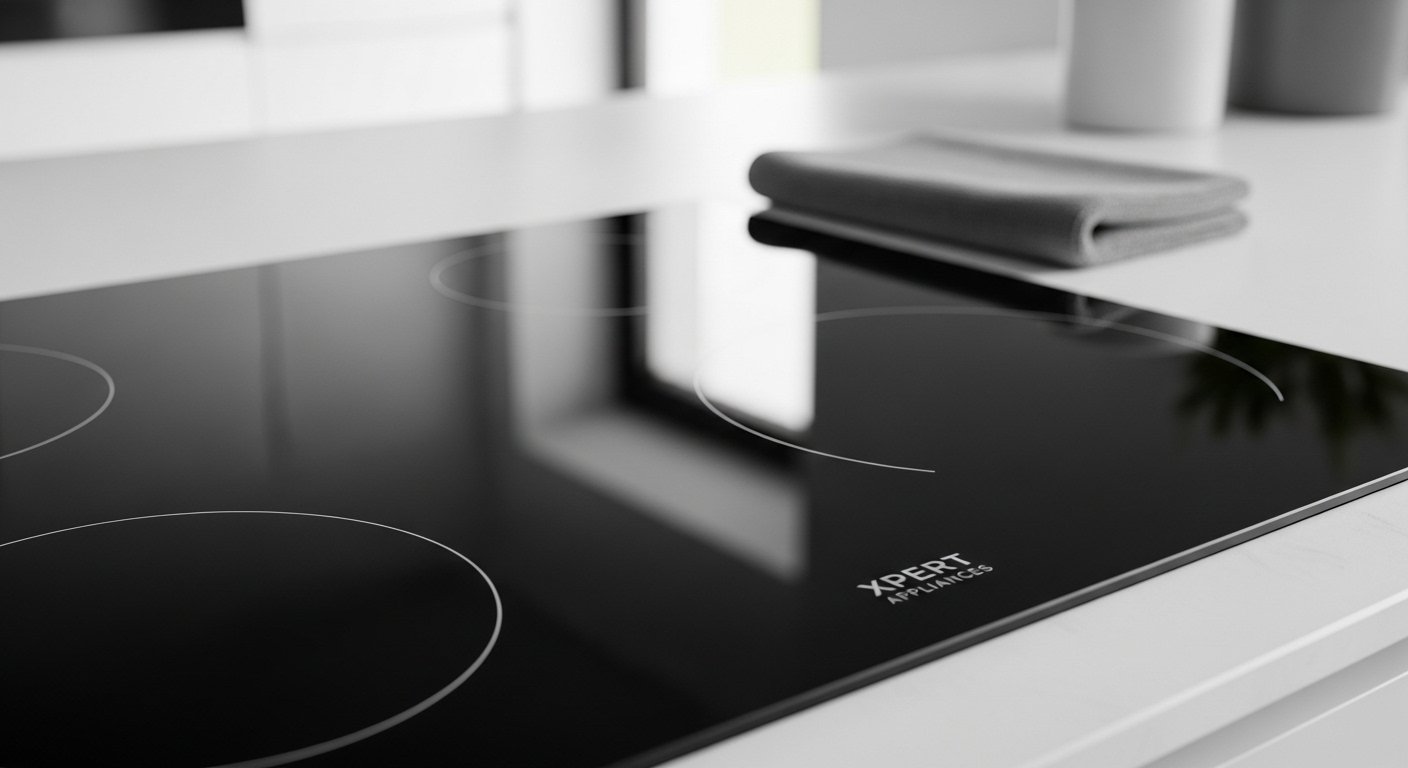
Ceramic Hob Installation
Installing a ceramic hob is a critical step in creating a modern, efficient kitchen. While the appliance itself is designed for convenience and performance, improper installation can affect safety, functionality, and long-term durability. A well-executed ceramic hob installation ensures that the appliance operates efficiently, integrates seamlessly into the countertop, and meets all electrical safety standards.
A built-in ceramic hob installation involves more than simply placing the appliance into a cutout. It requires precise measurement, correct electrical connections, proper ventilation, and strict adherence to safety guidelines. Whether handled as a DIY project or completed through professional fitting, understanding the process is essential to avoid costly mistakes.
This guide explains how to install a ceramic hob safely and efficiently, covering preparation, installation steps, and key precautions that ensure reliable operation.
Pre-Installation Checks
Before beginning the installation process, it is essential to evaluate the kitchen setup and confirm that all requirements are met. Skipping this stage can lead to improper fitting, electrical issues, or long-term performance problems.
The first step is verifying compatibility between the hob and the available space. Every ceramic hob is designed with specific dimensions, and the countertop must match these measurements precisely. Referring to a ceramic hob size guide helps ensure that the selected model fits correctly within the kitchen layout.
Electrical capacity is another critical consideration. Ceramic hobs typically require a dedicated power supply due to their energy consumption. Ensuring that the kitchen’s electrical system can handle the load prevents overheating and circuit issues.
Countertop material should also be evaluated. The surface must be heat-resistant and structurally strong enough to support the appliance. Materials such as granite, quartz, or treated wood are commonly used for built-in hobs.
Ventilation is often overlooked but plays an important role. Adequate airflow beneath the hob helps dissipate heat and prevents internal components from overheating during operation.
Completing these pre-installation checks ensures that the ceramic hob setup proceeds smoothly and safely.
Can You Install a Ceramic Hob Yourself?
A common question homeowners ask is whether they can handle installation independently. The answer depends on technical knowledge and local electrical safety regulations.
Basic placement and fitting into the countertop can often be done as a DIY task if measurements are accurate. However, electrical connections require careful handling. Incorrect wiring can lead to appliance malfunction or safety hazards.
In many cases, professional installation is recommended, especially when dealing with high-power electrical connections. A professional ceramic hob install ensures compliance with safety standards and reduces the risk of long-term issues.
For homeowners confident in their technical skills, following manufacturer guidelines carefully is essential when attempting a DIY hob setup.
Step-by-Step Installation Guide
A structured approach to installation ensures accuracy and safety. Each step must be performed carefully to achieve proper alignment, secure fitting, and correct electrical operation.
The process begins with preparing the countertop cutout, followed by positioning the hob, securing it in place, and completing the electrical connection.
Measuring the Space
Accurate measurement is the foundation of a successful installation. The countertop cutout must match the exact dimensions specified by the manufacturer.
Measurements should include both width and depth, as well as clearance space around the edges. Adequate spacing ensures proper ventilation and prevents heat buildup.
It is also important to confirm the depth of the cutout. The space beneath the hob must accommodate internal components and allow room for wiring connections.
Marking the cutout area precisely before cutting helps avoid errors. Once the opening is prepared, edges should be smoothed to ensure the hob sits evenly.
Proper measurement ensures that the built-in cooktop fits securely and maintains a clean, integrated appearance.
Positioning and Fitting the Hob
After preparing the cutout, the ceramic hob is carefully placed into position. The appliance should fit snugly without forcing it into the opening.
Most hobs are designed with sealing edges or gaskets that create a secure and stable fit. These seals prevent movement and protect against spills entering the internal components.
Ensuring the hob sits level is important for both performance and aesthetics. An uneven surface may affect cookware stability and heat distribution.
Once aligned correctly, mounting brackets or clips are used to secure the hob in place. These fittings hold the appliance firmly against the countertop, preventing shifting during use.
This stage completes the physical ceramic hob fitting process.
Connecting the Power Supply
Electrical connection is one of the most critical steps in cooktop installation. Ceramic hobs require a stable and properly rated power supply to function correctly.
Before connecting the appliance, the power source must be turned off to prevent electrical hazards. The hob is then connected according to the wiring diagram provided by the manufacturer.
Proper grounding is essential to ensure safe operation. Incorrect wiring can lead to electrical faults or damage to the appliance.
Once connections are complete, the system should be tested carefully. Turning on the hob and checking each heating zone ensures that the installation has been completed successfully.
If there is any uncertainty during this stage, professional assistance is strongly recommended.
Safety Precautions During Installation
Safety should remain the top priority throughout the installation process. Even small mistakes can lead to operational issues or potential hazards.
Handling electrical components requires caution. Ensuring the power supply is completely disconnected before working on wiring is essential.
Using appropriate tools and protective equipment reduces the risk of injury during installation. Sharp countertop edges and heavy appliances should be handled carefully.
Clearance space around the hob must be maintained according to manufacturer recommendations. This prevents overheating and allows proper ventilation.
It is also important to avoid placing the hob near water sources such as sinks without proper separation. Moisture exposure can affect electrical components and reduce appliance lifespan.
Following these hob installation tips ensures a safe and efficient setup process.
How Much Does Professional Installation Cost?
The cost of professional installation varies depending on location, complexity, and existing kitchen infrastructure. In general, installation costs include labor, electrical setup, and any modifications required for the countertop or wiring.
While professional installation may add to the initial expense, it often prevents costly repairs or safety issues in the future. For homeowners unfamiliar with electrical work, this option provides peace of mind and ensures compliance with safety standards.
Common Installation Mistakes to Avoid
Several common mistakes can affect the performance and safety of a ceramic hob. One frequent issue is incorrect measurement, which leads to improper fitting or gaps around the appliance.
Another mistake is inadequate electrical capacity. Connecting a high-power hob to an insufficient power supply can cause circuit overloads or inconsistent performance.
Improper sealing is another concern. Without proper sealing, spills can enter internal components and cause damage over time.
Skipping ventilation requirements may also lead to overheating, which reduces appliance efficiency and lifespan.
Avoiding these errors ensures that the ceramic hob installation remains reliable and long-lasting.
Post-Installation Checks
After installation is complete, several checks should be performed to confirm proper operation. Each heating zone should be tested to ensure it heats evenly and responds correctly to controls.
The hob surface should remain stable, with no movement or uneven positioning. Electrical connections should be secure, and no unusual sounds or odors should be present during operation.
Cleaning the surface after installation removes any dust or residue from the setup process. This also prepares the appliance for immediate use.
Regular maintenance after installation helps preserve performance. Homeowners can refer to the Ceramic Hob Maintenance guide for ongoing care practices.
Long-Term Efficiency and Maintenance
A properly installed ceramic hob operates more efficiently and requires less maintenance over time. Correct alignment, secure fitting, and proper electrical connections reduce strain on internal components.
Routine cleaning and periodic inspection ensure that the appliance continues to function at optimal levels. Avoiding heavy impacts and using appropriate cookware also helps maintain the glass-ceramic surface.
By combining correct installation with consistent care, homeowners can maximize the lifespan and performance of their kitchen ceramic hob.
Conclusion
Installing a ceramic hob safely and efficiently requires careful planning, accurate measurement, and proper electrical handling. While the process may appear straightforward, attention to detail is essential to ensure long-term performance and safety.
From pre-installation checks to final testing, each step plays a role in creating a secure and functional cooking setup. Whether completed through a DIY hob setup or professional fitting, following correct procedures ensures reliable results.
A well-installed ceramic hob not only enhances kitchen aesthetics but also delivers consistent cooking performance. With proper installation and maintenance, it becomes a valuable and long-lasting addition to any modern kitchen.